
💡 Key Takeaways
- Inverter airconds save 30-50% on electricity compared to non-inverter models
- The price gap has shrunk to just RM200-RM400 — inverter pays for itself in 12-18 months
- Inverter is quieter, more consistent, and gentler on the compressor
- In 2026, there's almost no reason to buy a non-inverter aircond in Malaysia
If you're shopping for a new aircond in Malaysia, you've seen these two terms everywhere: "inverter" and "non-inverter." The price difference isn't huge, but the performance difference is significant. Here's a clear, no-jargon explanation from the technicians at Masters Aircond Service KL who install and service both types daily.
How They Work: The Simple Explanation
Non-Inverter (Fixed Speed)
A non-inverter aircond has a compressor that runs at one speed — full blast. When you set the temperature to 24°C, the compressor runs at 100% until the room reaches 24°C, then it shuts off completely. When the temperature rises above 24°C again, it kicks back on at full power. This constant on-off cycling is like driving a car by flooring the accelerator then braking, over and over.
Inverter (Variable Speed)
An inverter aircond has a compressor that can adjust its speed. It starts at full power to cool the room quickly, then gradually slows down as the room approaches the target temperature. Once at 24°C, it keeps running at a low, steady speed — just enough to maintain the temperature. It's like cruise control in a car.
The Real-World Difference for Malaysian Homes
1. Electricity Savings: 30-50% Lower Bills
This is the big one. In Malaysia, where most households run their aircond 8-12 hours daily, the savings are substantial. Here's a rough comparison for a 1.5HP unit running 8 hours per night:
- Non-inverter: ~RM180-RM250 per month in electricity (for that one unit)
- Inverter: ~RM100-RM150 per month in electricity
- Monthly savings: RM50-RM100
- Annual savings: RM600-RM1,200
The math is clear. An inverter that costs RM300 more upfront saves you RM600+ in the first year alone. It's not even a close comparison.

2. Comfort: More Consistent Temperature
The on-off cycling of a non-inverter creates noticeable temperature swings. You feel cool when the compressor is running, then slightly warm when it shuts off, then cool again. This cycle happens every 10-15 minutes. In Malaysia's 85%+ humidity, these fluctuations feel more pronounced.
An inverter maintains a steady temperature with almost no fluctuation. You set 24°C and it stays at 24°C. For bedrooms, this means better sleep — no more waking up because the room suddenly feels warm.
3. Noise: Significantly Quieter
Every time a non-inverter compressor kicks on, there's a noticeable "click-hum" sound. At night, this cycling can disturb light sleepers. An inverter compressor runs continuously at a low hum — most modern inverter units operate at 19-24 dB indoors, which is quieter than a whisper.
4. Compressor Lifespan: Longer Lasting
The constant start-stop cycling of a non-inverter puts tremendous stress on the compressor — each startup draws 3-4 times the normal running current. This is why non-inverter compressors tend to fail earlier (typically 6-8 years). An inverter compressor that runs continuously at varying speeds experiences less mechanical stress and typically lasts 10-15 years.
Price Comparison (2026 Malaysia)
Here's what you'll actually pay at major retailers:
- 1HP non-inverter: RM700-RM1,000
- 1HP inverter: RM900-RM1,300
- 1.5HP non-inverter: RM900-RM1,300
- 1.5HP inverter: RM1,200-RM1,800
- 2HP non-inverter: RM1,200-RM1,600
- 2HP inverter: RM1,500-RM2,200
The price gap is RM200-RM400 for the same HP rating. With RM50-100 monthly savings, the inverter pays for itself within the first year of use. After that, it's pure savings.
When Might a Non-Inverter Make Sense?
Honestly? Almost never in 2026. But there are a few edge cases:
- Very occasional use: A spare room that's used once a month — the electricity savings won't add up enough to matter.
- Extreme budget constraint: If you absolutely cannot spend an extra RM300, a non-inverter is better than no aircond. But consider that the electricity savings will more than make up the difference within months.
- Short-term rental: If you're furnishing a property you'll sell in under a year, the cheapest option might make sense. But even here, "inverter" is a selling point that adds value.
Our Recommendation
At Masters Aircond Service KL, we always recommend inverter models. The technology has matured, prices have dropped, and the benefits are undeniable in Malaysia's climate. Whether you choose Daikin, Panasonic, or Midea, go inverter.
Need help with installation? We supply and install all major inverter brands across KL, including Mont Kiara, Bangsar, and Sri Petaling. We'll also make sure your unit is properly sized — because an oversized inverter is almost as wasteful as a non-inverter. WhatsApp us for a free consultation and quote.
Already have an inverter unit? Keep it running efficiently with regular servicing every 3-4 months.
Frequently Asked Questions
Yes. With Malaysia's high electricity rates and daily aircond usage of 8-12 hours, an inverter aircond saves 30-50% on cooling costs. The RM200-RM400 price premium pays for itself within 12-18 months.
Yes, significantly. An inverter compressor adjusts its speed instead of cycling on/off, consuming only the energy needed. At typical KL usage, expect RM50-RM100 lower monthly electricity bills compared to a non-inverter of the same HP.
Inverter airconds have more complex electronics (PCB boards, sensors), which means repairs can be slightly more expensive. However, the compressor itself lasts longer due to less wear from constant cycling. Overall maintenance costs are comparable.
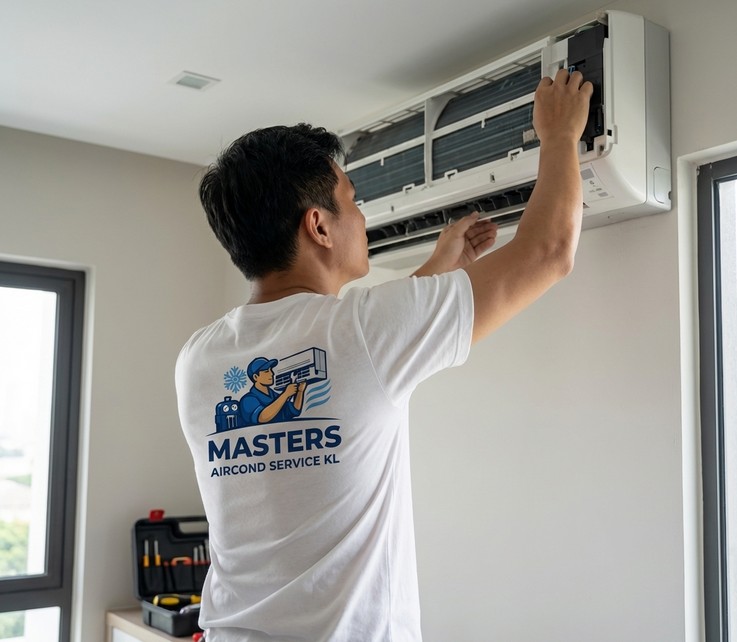
Kevin Chong
Kevin has been servicing and repairing aircond systems across Kuala Lumpur for over 10 years. He founded Masters Aircond Service KL to provide honest, reliable, and professional aircond service to homes and businesses throughout KL.
Ready to Upgrade to Inverter?
WhatsApp Masters Aircond Service KL for a free consultation. We'll recommend the right model for your space and budget.
WhatsApp Us Now